contact : +966503576935. Address: Saudi Arabia ,Al Baha website : http://medicalnursingeducation.school.blog/
POSTED BY MOHAMMAD USMAN BHAT (PHARMACIST,ER MEDICAL SPECIALIST)
HEART ATTACK
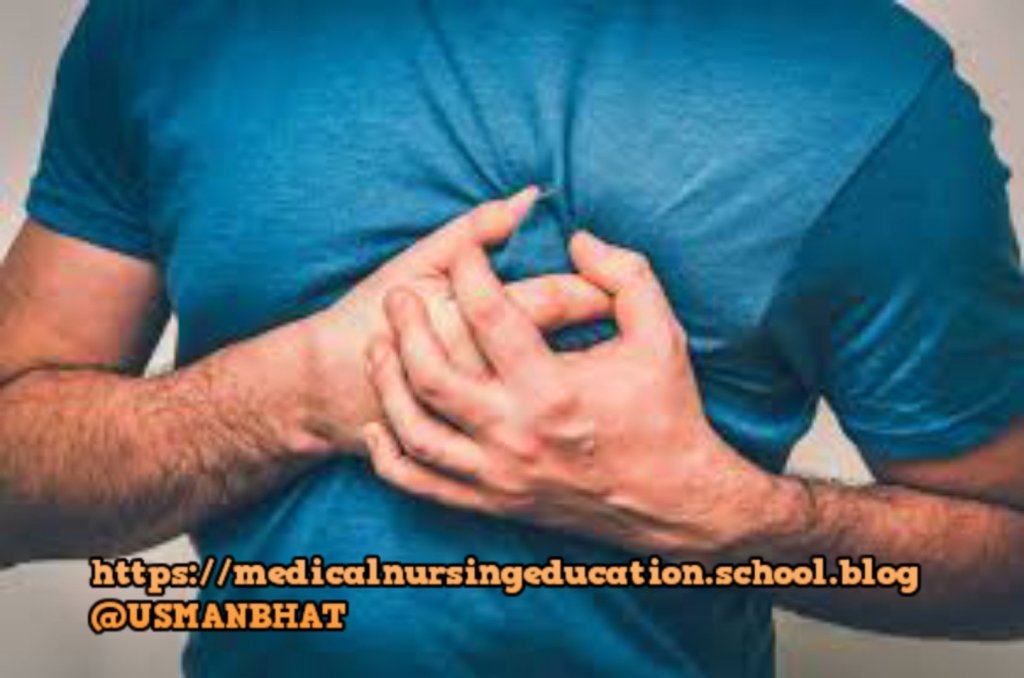
Signs of a Heart Attack
Despite the sudden chest pain and collapse usually depicted in movies and TV medical dramas, heart attack can present in a variety of ways, not all of them involving chest pain.
If you’re male, the classic chest pain is indeed the No. 1 symptom of a heart attack (though not the only one). The pain usually lasts for more than a few minutes, or recurs. It’s commonly described as feeling like an elephant is standing on your chest, but it can also feel like discomfort or pressure.
Other symptoms include nausea and vomiting; upper-body pain in the arms, back, shoulders, neck, jaw, or abdomen; shortness of breath; and a feeling of fullness in the center of the chest.
If you’re female, however, a heart attack can present a little differently, “Chest pressure is usually somewhere in the mix,” “but it may not be the most prominent symptom.”
Women may come into the doctor’s office with symptoms that don’t evoke a “classic” heart attack: overwhelming fatigue; shortness of breath; nausea; dizziness; sweating; flu-like symptoms; and abdominal, jaw, or back pain.
For everyone, the symptoms can be subtle. The risk of having a heart attack but not noticing any symptoms—a phenomenon known as silent heart attack—may be much greater than scientists had previously believed.

Avoiding winter heart attacks:
Minimize risks with simple solutions such as preventing overexertion and preparing for cold temperatures.
As temperatures start to fall, your risk of a heart attack begins to climb. “Cold weather sometimes creates a perfect storm of risk factors for cardiovascular problems.
Many of these risks stem from “mismatch between supply and demand.” Cold weather can decrease the supply of oxygen-rich blood to your heart muscle. And it can put you in situations that force your heart to work harder; as a result, your heart demands more oxygen-rich blood. Such a mismatch-a smaller supply of oxygen to the heart coupled with a greater demand for oxygen by the heart-sets you up for a heart attack.
Below, we summarize some of the many situations that can lead to heart attack during the colder months-and how to minimize them.
Risk: Overexertion
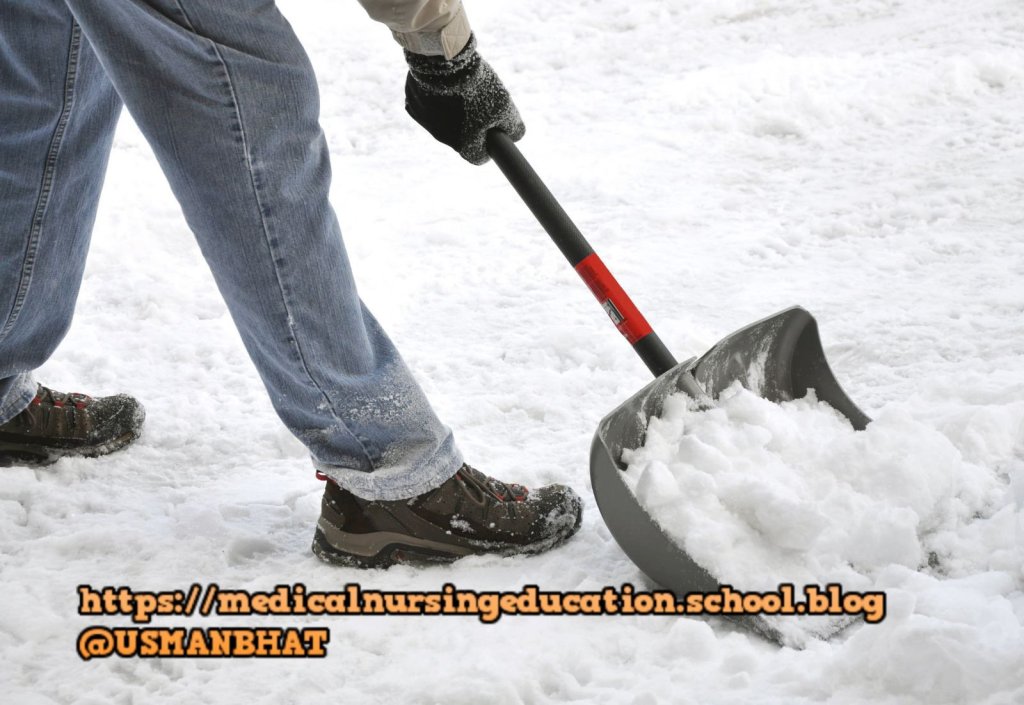
Winter sometimes causes us to overexert. We walk briskly against a strong wind, shovel the walk, push a car out of the snow. Exertion increases the heart’s demand for oxygen. “If there’s a blockage in a heart artery that reduces blood flow to the heart muscle, supply may not be sufficient to meet the demand,” . Many of us have blockages we don’t know about.
Solution: “Be especially careful about exerting yourself outdoors in winter. Pushing an inch of snow is one thing, but shoveling heavy, wet, deep snowfall is very risky. I encourage my patients to avoid doing so, especially if they have risk factors for heart disease,” . Risk factors include smoking, high blood pressure, high cholesterol, diabetes, family history, and obesity.
Risk: Cold exposure
When your body is suddenly exposed to icy temperatures, your blood vessels clamp down.
Solution: “Don’t head out the door half-dressed. Put on your coat, hat, and gloves in advance,” .
Risk: Overheating
While it’s important to dress warmly in cold weather, it’s also important to avoid getting overheated—for example, from physical activity. If you get overheated, your body will need to release the heat. Too much warm clothing may prevent that, causing blood vessels to dilate, which can dramatically lower blood pressure. “When blood pressure drops, it can reduce the heart’s blood supply, possibly leading to a heart attack,” .
Solution: Dress in layers. If you start to sweat, remove a layer until you cool down, then replace the layer. Better yet, go inside and take a break.
Risk: Influenza
A bout of seasonal flu can trigger a heart attack in people already at risk for heart disease. The flu causes a fever, which makes your heart beat faster (raising its demand for oxygen). The flu also can cause dehydration, which can reduce your blood pressure (lowering the heart’s supply of oxygen). “Again, when demand exceeds supply, it may lead to a heart attack,” .
Solution: Try to avoid getting the flu by washing your hands often with soap and water and getting a flu shot. If you do get flu symptoms, such as fever, cough, or body aches, call your doctor and take antiviral medication if it’s prescribed. Avoid dehydration by drinking plenty of fluids or eating water-rich foods such as fruit or soup.
Risk: Missed prescriptions
Snowy or icy weather can keep you from following through on your doctor visits or getting your prescriptions filled on time. “If you haven’t had your medications, and blood pressure is not adequately controlled, it can increase heart attack risk,” .
Solution: In winter months, it’s best to have a supply of medication large enough so that you won’t run out if there’s rough weather. “Not waiting until the last minute to fill prescriptions is another wise move, especially if weather can make transportation a problem,” .
What to do if you or someone else may be having a heart attack
- Call on your local emergency number. Don’t ignore or attempt to tough out the symptoms of a heart attack. If you don’t have access to emergency medical services, have a neighbor or a friend drive you to the nearest hospital.Drive yourself only as a last resort, and realize that it places you and others at risk when you drive under these circumstances.
- Chew and swallow an aspirin, unless you are allergic to aspirin or have been told by your doctor never to take aspirin.
- Take nitroglycerin, if prescribed. If you think you’re having a heart attack and your doctor has previously prescribed nitroglycerin for you, take it as directed. Don’t take anyone else’s nitroglycerin, because that could put you in more danger.
- Begin CPR if the person is unconscious. If you’re with a person who is unconscious, tell the 911 dispatcher or another emergency medical specialist. You may be advised to begin cardiopulmonary resuscitation (CPR).If you haven’t received CPR training, doctors recommend performing only chest compressions (about 100 to 120 compressions a minute). The dispatcher can instruct you in the proper procedures until help arrives.
- If an automated external defibrillator (AED) is immediately available and the person is unconscious, follow the device instructions for using it.
DUA FOR GOOD HEALTH
اللّهُـمَّ عافِـني في بَدَنـي ، اللّهُـمَّ عافِـني في سَمْـعي ، اللّهُـمَّ عافِـني في بَصَـري ، لا إلهَ إلاّ اللّه أَنْـتَ.
اللّهُـمَّ إِنّـي أَعـوذُبِكَ مِنَ الْكُـفر ، وَالفَـقْر ، وَأَعـوذُبِكَ مِنْ عَذابِ القَـبْر ، لا إلهَ إلاّ أَنْـتَ
O Allah, make me healthy in my body. O Allah, preserve for me my hearing. O Allah, preserve for me my sight. There is none worthy of worship but You.
O Allah, I seek refuge in You from disbelief and poverty and I seek refuge in You from the punishment of the grave. There is none worthy of worship but You.
 National Health Information Center