contact :- +966503576935 website :- https:medicalnursingeducation.school.blog/
BY MOHAMMAD USMAN BHAT
(PHARMACIST, EMERGENCY MEDICAL SPECIALIST.)

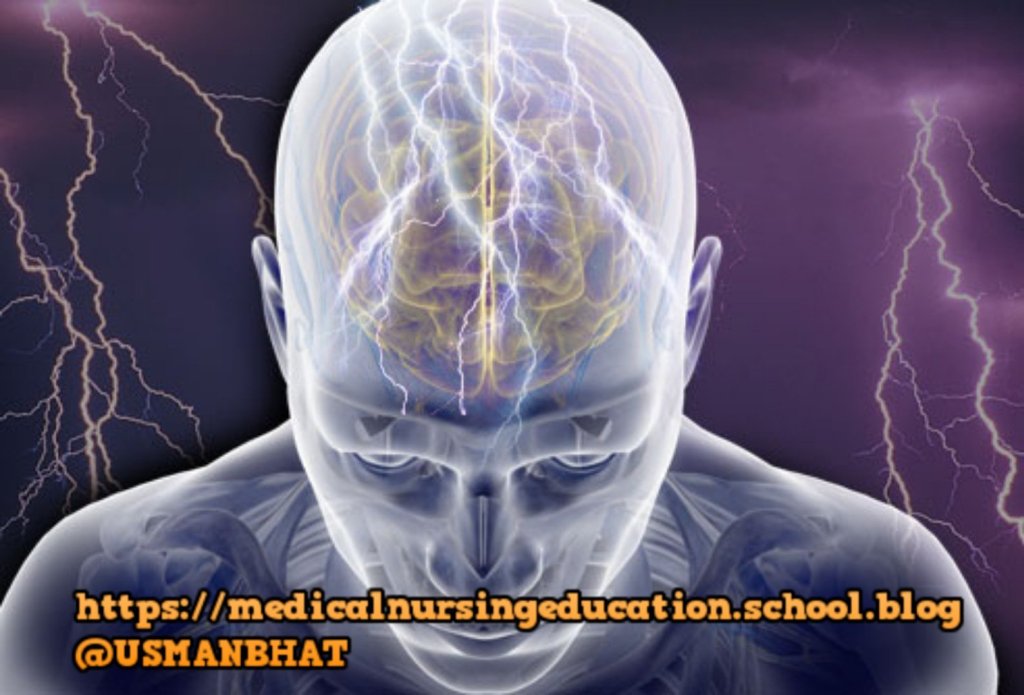
Epilepsy is a central nervous system (neurological) disorder in which brain activity becomes abnormal, causing seizures or periods of unusual behavior, sensations, and sometimes loss of awareness. Anyone can develop epilepsy. Epilepsy affects both males and females of all races, ethnic backgrounds and ages.
Seizures do not usually require emergency medical attention. Only call 977 if one or more of these are true:
1. The person has never had a seizure before.
2. The person has difficulty breathing or waking after the seizure.
3. The seizure lasts longer than 5 minutes.
4. The person has another seizure soon after the first one.
5. The person is hurt during the seizure.
6. The seizure happens in water.
7. The person has a health condition like diabetes, heart disease, or is pregnant.
First aid for any type of seizure:
Stay with the person until the seizure ends and he or she is fully awake. There are many types of seizures. Most seizures end in a few minutes.
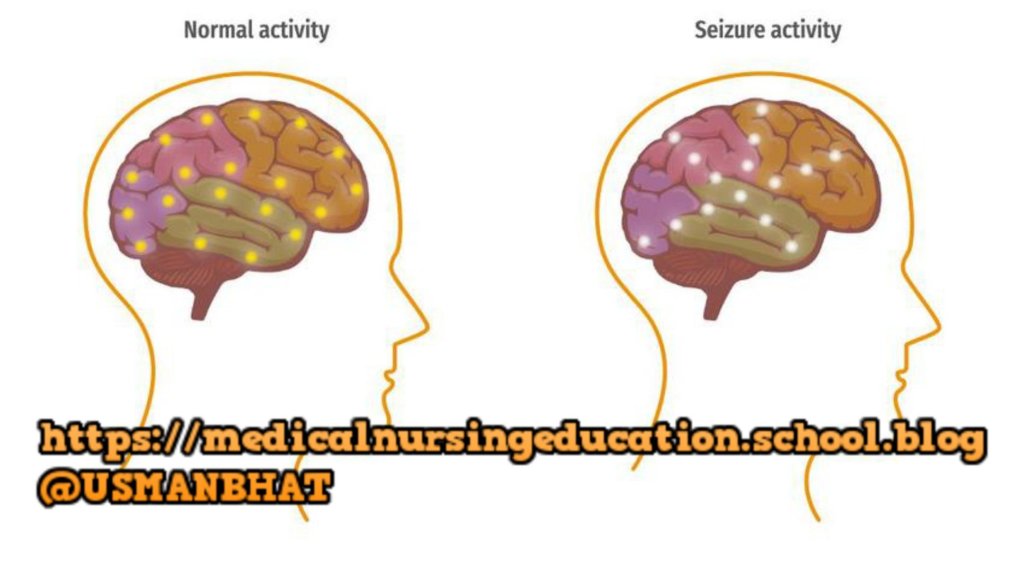
These are general steps to help someone who is having any type seizure:
1. Stay with the person until the seizure ends and he or she is fully awake. After it ends, help the person sit in a safe place. Once they are alert and able to communicate, tell them what happened in very simple terms.
2. Comfort the person and speak calmly.
3. Check to see if the person is wearing a medical bracelet or other emergency information.
4. Keep yourself and other people calm.
5. Call for the help or taxi for to make sure the person gets home safely.
First aid for generalized tonic-clonic (grand mal) seizures.
When most people think of a seizure, they think of a generalized tonic-clonic seizure, also called a grand mal seizure. In this type of seizure, the person may cry out, fall, shake or jerk, and become unaware of what’s going on around them.
Here are things you can do to help someone who is having this type of seizure:
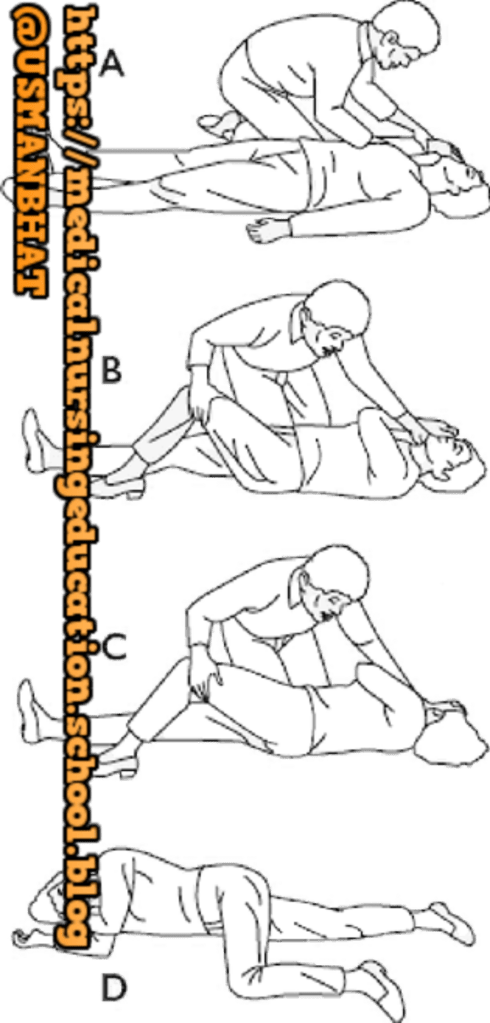
1. Ease the person to the floor.
2. Turn the person gently onto one side. This will help the person breathe.
3. Clear the area around the person of anything hard or sharp. This can prevent injury.
4. Put something soft and flat, like a folded jacket, under his or her head.
5. Remove eyeglasses.
6. Loosen ties or anything around the neck that may make it hard to breathe.
7. Time the seizure. Call the Emergency service if the seizure lasts longer than 5 minutes.
Knowing what NOT to do is important for keeping a person safe during or after a seizure.

Never do any of the following things
* Do NOT hold the person down or try to stop his or her movements.
* Do NOT put anything in the person’s mouth. This can injure teeth or the jaw. A person having a seizure cannot swallow his or her tongue.
* Do NOT try to give mouth-to-mouth breaths (like CPR). People usually start breathing again on their own after a seizure.
* Do NOT offer the person water or food until he or she is fully alert
BY MOHAMMAD USMAN BHAT
(PHARMACIST, EMERGENCY MEDICAL TECH.)
 National Health Information Center